Introduction to Healthy Eating
- May 29, 2025
- 6 min read
Updated: Nov 28, 2025
Healthy eating is eating to feel good. If you eat to feel good then you'll look great and perform well. Eating to feel good is about giving you body the fuel it needs to function properly. This article explains how to fuel your body.
The Simple Way to Eat Healthy
Each meal should have a serving of healthy protein and fat. Everything else is dependent upon your activity and individual needs. Start by focusing on eating protein and fat.

Protein & Fat
Your body needs protein and fat to survive and perform vital functions. If you don't want to count grams of each, a simple trick is to have 1-2 palms of protein and 1-2 thumbs of healthy fat per meal.


Proteins are the building blocks of the body: muscle, hair, skin, nails, hormones, enzymes, and antibodies are made of protein. Protein is the most important nutrient for mood, performance, fat loss, and muscle gain because it allows us to preserve muscle, it keeps us full, it’s less likely to be stored as fat, and it burns the most calories just by eating it. Each meal should have a significant serving of protein. Try to aim for 30 grams minimum per meal. Read more about protein.

Fats are essential because every cell membrane in your body is made of fat, and we need fats to make hormones, absorb nutrients, and perform other vital functions. There are different types of fat - saturated, unsaturated, omega-3, omega-6, cholesterol - and we need a balance of all of them. Yes, we need cholesterol and saturated fats to provide structure to our cell membranes, to synthesize vitamin D, to create hormones, and digest foods.

The most important thing to know about fats is that most easily-available fats are generally less healthy, which makes it one of the hardest macronutrients to get right. A good strategy to ensure the fats you're eating are healthy is to ensure the oils you're using to cook your food are healthy. Restaurants use cheap and unhealthy oils for cooking: soybean oil, corn oil, safflower seed oil, sunflower seed oil, sesame seed oil. Some of the healthiest oil sources for cooking are extra virgin olive oil, coconut oil, grass-fed butter, and avocado oil.

Other healthy fat sources include nuts, seeds, eggs, coconut, avocado, and marine life like sardines and anchovies. Other than oils, find 2-3 fat sources you enjoy and include them in your diet regularly. Read about fats & how to choose cooking oils.
Carbohydrates & Fiber
Carbohydrates are a source of fuel and fiber improves digestion. Have 1-2 cups of carbohydrates, or in proportion to activity level, and 1-2 fists of vegetables or fruit for fiber per meal.


Carbohydrates are not required for your body to function, but they help recovery and performance. Eat carbohydrates in ratio to your activity level. If you move a lot, you need a lot. If you don’t move much, you don’t need much. If you're sitting at a desk for most of your day, carbs are more likely to make you fat as they're easy to overeat and you won't use much of them during your sedentary day. If you're an athlete or have a highly active job, carbs are going to give you energy and help you recover from your workouts. You can start with 1-2 cups of carbs per meal and adjust based on how you feel or your activity level. Read about carbohydrates.

Fiber is also not required for your body to function, but it can speed up metabolism and improve digestion. If your goal is fat loss, or if you have digestion issues, fiber can help. Read about Fiber. All fruits and vegetables have fiber, and here are some of my favorite sources:
All Fruits (avocado, berries, apples, oranges, etc.)
All Vegetables (broccoli, carrots, brussels sprouts, spinach, etc.)
Whole-grain products (oats, quinoa, brown rice, whole wheat bread, etc.)
Beans, peas and other legumes
Nuts and seeds

Too much or too little fiber can cause indigestion and an upset stomach, so if you have digestion issues consider how much fiber you're eating as this can play a major impact. 30 grams of fiber per day is a good recommendation.
Water
Your brain is 80% water, and your body is 60% water. If you don’t have enough water, you’re going to be stupid and unhealthy. The recommended daily amount of water per day is half your bodyweight in ounces, so if you weigh 150lb you want to consume 75 ounces.

To know if you're dehydrated, use the chart below to review urine color to assess hydration level.

I recommend drinking one liter of water before lunch time to ensure your digestion is working throughout the day. Any time my stomach is upset, I drink a lot of water and I feel better almost instantly. Hot water is more effective for stimulating the digestive system, so tea is your friend if your stomach is upset. Read about hydration.
Strategies & Recommendations
Natural vs Processed
If you don’t know how a food is made or how to pronounce the ingredients, avoid it!
Generally, the more processed a food is, the more calories and less nutrients it contains. Look for short lists of ingredients that you recognize. For example, a container of oatmeal should have one ingredient: oats.

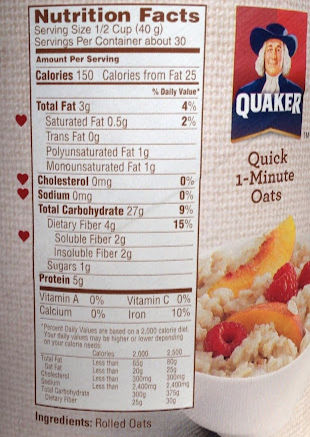
Processed foods commonly have high sugar content, which can cause many negative effects like weight gain and an upset stomach. Unfortunately, sugar can be found in almost anything and you might think you're eating healthy, but the added sugars are doing damage.

A diverse diet of whole foods gives you everything you need. If you only eat processed foods, you likely have a nutrient deficiency and a less healthy body. Whole foods come from the ground, ocean, or an animal. Processed foods come from a factory, can, or a package.
Supplements
It's not necessary to take any supplements if you eat a variety of whole foods and get sun daily. The best supplements are nutrient-dense whole foods like eggs, oysters, liver, and salmon. Most supplements don’t get absorbed as well as real food (Bioavailability), but the most common supplements I recommend are protein powder, a vitamin D supplement, a zinc and magnesium supplement, and a fish oil supplement as these are the most common deficiencies.

In the United States, Supplements are not reviewed by the Food & Drug Administration and don’t need to be proven safe before they can be sold. Often supplements don’t contain what they claim (Learn more). Look for the USP certification on the label, which indicates that US Pharmacopeia, an independent agency, has certified the supplement through its Dietary Supplement Verification Program (For a list of products, check this website).
Plan Ahead
Most people fail with their nutrition because they make decisions when hungry. Plan ahead by deciding on what you're going to eat before hunger arrives. People who have the most success eat many of the same healthy foods daily. If you lack time, have a list of healthier restaurants or sign up for a meal plan delivery service so you have a plan when life gets crazy.
Eat Slowly
Digestion starts in the mouth, not the stomach. Your saliva contains enzymes that begin digesting food, for example you have salivary amylase that begins the breakdown of carbohydrates in the mouth. Eating too quickly, poor chewing, or low saliva production (e.g., from dehydration) can hinder digestion and upset your stomach.

Next time you eat, count how many times you chew each bite of food and aim for at least 20 chews per bite. Another strategy is to put down your utensils between bites as this promotes slower eating and better digestion.
Prioritize Meals Over Snacks
Snacks are often higher in calories and less satiating, which means we need to eat more of them to feel full. You don’t need to avoid snacks, but make your meals a priority.
Create A Grocery List
Make a list of foods that you enjoy that include protein, fat, carbohydrates, and fiber. Figure out how much you need per week and plan to go grocery shopping.

Understand Your Nutrition Plan
You don't need a complicated plan to eat healthy, in fact, the simpler your plan the easier it is to follow. Answer the following questions so you clarify your current nutrition plan:
When will you go grocery shopping?
When will you cook?
What and when is your first meal of the day?
What and when is your last meal of the day?
What will you eat if your plan goes wrong?
What are some healthy restaurants you can order from if things get crazy?
Conclusion
That is the foundation for how you build a nutrition plan. If you want customized guidance on eating healthy and building a meal plan, schedule a fitness consultation to work with me directly.
Until next time! - Tom

Comments