How to Improve Digestion
Many different things can impact digestion and in this article I explain 9 different things to consider if you have digestion issues starting with simpler items and moving to the more complex.
Eat Slowly & Chew Thoroughly
Digestion starts in the mouth, not the stomach. Your saliva contains enzymes that begin digesting food, for example you have salivary amylase that begins the breakdown of carbohydrates in the mouth. Eating too quickly, poor chewing, or low saliva production (e.g., from dehydration) can hinder digestion and upset your stomach.

Next time you eat, count how many times you chew each bite of food and aim for at least 20 chews per bite. Another strategy is to put down your utensils between bites as this promotes slower eating and better digestion.
Hydration
Adequate water intake helps break down food, aids nutrient absorption, and prevents constipation. To know if you're dehydrated, use the chart below to review urine color to assess hydration level. Any time my stomach is upset, I drink a lot of water and I feel better almost instantly. Hot water is more effective for stimulating the digestive system, so tea is your friend if your stomach is upset. I recommend drinking one liter of water before lunch time to ensure your digestion is working throughout the day.


Fiber
Fiber can help to clear the intestines and aid digestion. Too much or too little fiber can cause digestion issues. Finding the right balance of fiber for your body is essential. All fruits, vegetables, beans, and whole grains contain fiber.

Consume fiber in relation to your diet. If you consume an excess of highly processed foods, then a higher fiber intake is helpful for clearing your digestive tract. If you starve yourself or don't eat enough nutrient-dense food, then fiber will hurt you and you want to minimize fiber intake. The primary source of fiber for me is oranges and avocados.
Sugar
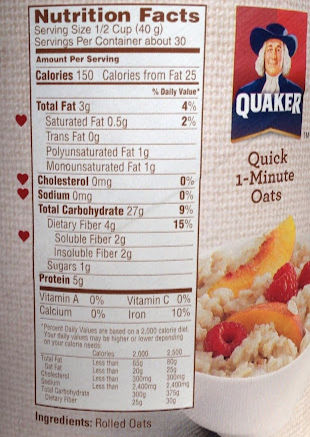
Processed foods, high sugar, or excessive fat can slow down digestion or cause issues like bloating or constipation. Unfortunately, sugar can be found in almost anything and you might think you're eating healthy, but the added sugars are doing damage. For example, oatmeal is very healthy, but check the ingredients of your oatmeal because it should only have one ingredient: oats. It's the same with protein bars or any other product, so make sure you read the ingredients and look for added sugars before eating.

Caffeine & Alcohol
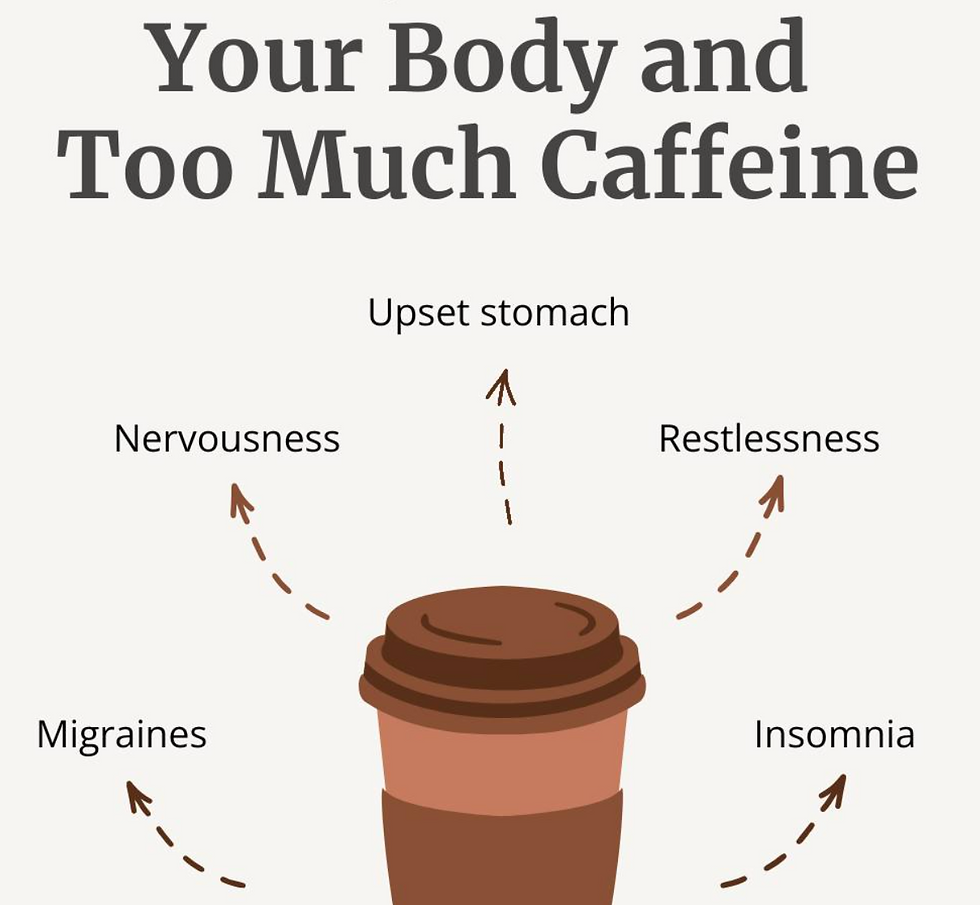
Excessive caffeine or alcohol can irritate the stomach lining, alter gut motility, or contribute to acid reflux and dehydration, negatively affecting digestion. If you have digestive issues, avoid these two.
Electrolyte Balance
Electrolyte balance plays a significant role in digestion as electrolytes are critical for various digestive processes. Electrolytes are the macrominerals our bodies need for every single function of metabolism, and without them we experience negative symptoms like fatigue, inability to lose weight, hair loss, hormone imbalance, and decreased immune system.

Every cell in your body requires sodium and potassium to bring nutrients into and out of the cells. They help to maintain fluid balance, support your adrenals and thyroid, and help you turn food into energy. Calcium and magnesium are essential for muscle contraction, including the muscles of your digestive system. To test your electrolyte levels, I recommend a hair mineral analysis test.

Eat electrolyte-rich foods: bananas, avocados, spinach, nuts, and seeds. Stay hydrated but avoid excessive water intake without electrolyte replenishment. Limit processed foods high in sodium. For example, most protein bars have excess sodium and little other electrolytes, so while you might think you're eating healthy, you're creating imbalance with electrolytes. Consider drinking an electrolyte drink daily like the recipe below.

Stress
Chronic stress activates the fight-or-flight response, reducing blood flow to the digestive system, slowing gut motility, and potentially causing issues like IBS or acid reflux. Anxiety, depression, or other mental health conditions can affect the gut-brain axis, altering digestion speed or causing symptoms like nausea or cramping. For instance, anxiety can trigger diarrhea in some people.
Reducing stress through mindfulness, sleep, or exercise helps regulate cortisol and adrenaline, supporting digestion. My favorite strategy for reducing stress is to journal how I'm feeling as this helps to externalize my situation and gives me a different perspective that allows me to make the necessary decisions.
Gut Microbiome
A diverse and balanced gut microbiome is essential for good digestion. Probiotics and prebiotics are both essential for proper digestion. Probiotics are foods that have good bacteria that aid digestion. Prebiotics are foods that our good bacteria use to make more good bacteria.

Certain medications (e.g., NSAIDs, antibiotics, or opioids) can disrupt digestion, causing side effects like nausea, constipation, or diarrhea. When you take antibiotics you destroy all types of bacteria, the good and the bad. Unfortunately, good bacteria is what allows us to digest food, and taking antibiotics is a common way our microbiome can be disturbed. My favorite prebiotics are fruit, and for probiotics I drink milk and eat cottage cheese.
Sleep Quality
Poor or insufficient sleep disrupts gut-brain communication, potentially affecting appetite regulation and digestion. Consistent, quality sleep supports optimal digestive function. Sleep is more important than exercise or nutrition. You can survive weeks without food, but too many days without good sleep can drive you insane! Create a bedtime ritual by getting away from your phone at least one hour before bed. I prefer to read and write before bed as it helps me to calm down my nervous system and prepare for sleep.
Conclusion
Any time my stomach is upset, I drink water and sit in a deep squat or go for a slow walk. If I still have discomfort, I'll drink a lot of warm/hot water and perform some very light stretching or exercise. If I still have discomfort, I'll eat a healthy meal with protein and fiber. This is what works for me.
There's no perfect solution and each of us must learn what works for our bodies. If you're not sleeping, stressed out, eating sugar, dehydrated, and drinking multiple cups of coffee each day then it's likely your digestion will be a mess. Choose one thing to focus on at a time and make gradual improvements. Write in a journal what you learn so you can remember what works for the next time your stomach is upset.
Hope this helps! - Tom

Comments