How to Sleep Better
- Aug 25, 2025
- 5 min read
Sleep is essential for you to live a happy and healthy life. Here are the top strategies I've learned to improve sleep.
Before Bed: Sleep Ritual
What you do before bed impacts your restfulness. Eating, drinking alcohol, or smoking weed might help you fall asleep, but your quality of sleep suffers. If you're serious about improving your sleep, practice the 4,3,2,1 rule: No alcohol 4 hours before bed; No food 3 hours before bed; No water 2 hours before bed; No technology 1 hour before bed.
I don't personally follow this rule strictly, but I notice that when I do my sleep performance is better. I've found the sooner I eat before bed the better my sleep is as my digestion doesn't affect my sleep. For my sleep ritual, about an hour before bed I enjoy lying on the ground and reading. This accomplishes two things: it stretches my body and circulates my lymphatic system, and it relaxes my mind and gives me something to dream about, normally history literature.
If you find that you're waking up a lot in the night to pee, one trick is to take a pinch of salt before bed. I've found this helps significantly to reduce the amount of bathroom breaks in the night.
What works for you will be different, but without a routine, your body will have a harder time preparing for bed. Find your routine and stay consistent to improve your sleep.
Upon Waking: Sun & Exercise
What you do first thing in the morning upon waking impacts your sleep quality that night. If you lie around like a lazy bones in bed and avoid morning sunlight, your body will have a harder time aligning your circadian rhythm with your desired schedule. 15 minutes of sun as soon as you wake up will tell your body that it's morning and your internal clock will turn on, which will make you sleepier come bed time. Go to sleep with the dark, wake up with the light.
A lot of people don't feel sleepy at night because they were never that awake during the day. If you lie around all day doing nothing it's more likely you'll suffer from insomnia. Exercise is a great way to wake your body up and improve your ease of falling asleep at night. Elevating the heart rate for just 15-20 minutes can be enough to help your sleep. A long walk or some light stretching will help your circulation and digestion, which will improve your sleep quality.
A consistent routine on the weekdays AND weekends will ensure your body gets into a groove and your sleep improves.
Cold & Dark Room
Studies have shown that we sleep better when the room is slightly cold. If you know you're a warm sleeper, set your room temperature around 66-68 degrees and get a bed with a cool pillow top to avoid overheating. The body temperature drops slightly before sleep, and without this temperature drop it can be harder, or impossible, to sleep. Staying hydrated throughout the day and taking a shower before bed can help your body to cool down.
Blackout curtains that keep your room dark are essential for good sleep. Even a bit of light can make your sleep less effective. A good rule of thumb is as soon as you turn off the lights, you should not be able to see your hand in front of your face. That's dark!
Track Your Sleep

I use the Whoop band to track my sleep and I've found this helps me in two ways. First, it has taught me that time in bed does not equate to sleep as I often spend up to an hour lying in bed awake and from learning this I now dedicate an extra hour to my sleep schedule. Second, I've learned that sleep stress often isn't warranted because it's common for me to feel like I got bad sleep but when I look at my Whoop app I can see that it actually wasn't that bad.
I used to feel a lot of sleep stress because I'd be lying in bed feeling like I'm wasting my time because I'm not asleep. After tracking my sleep, I've realized that even on nights where I feel terrible, my sleep can still be decent. I've learned that just lying in the dark with my eyes closed is already very beneficial so there's no reason to be stressed that I'm not in deep sleep as long as I'm resting.
I prioritize my sleep and I always try to set aside about 9 hours dedicated to time in bed so that my muscles and brain can recover and be prepared for the next day. Everyone is different, so your requirement might be less or more. I remember I used to get 6-7 hours of sleep and my recovery was way worse. Tracking my sleep has helped me prioritize sleep.
Limit Caffeine
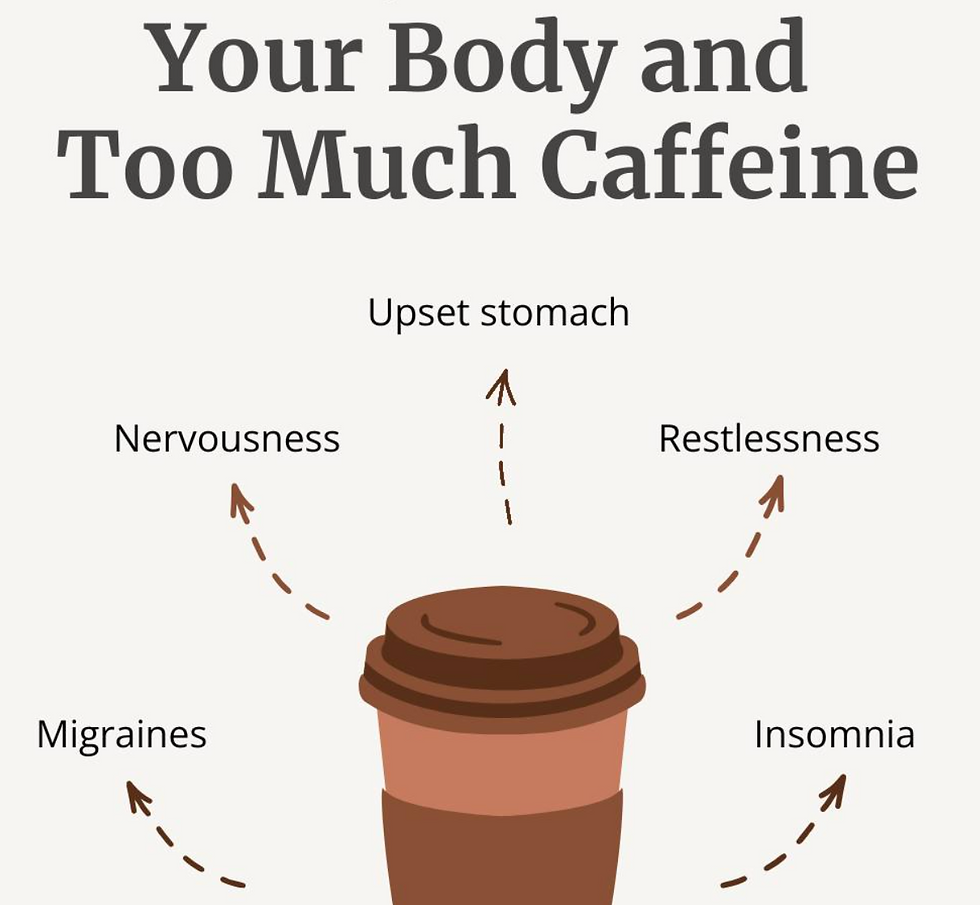
Everyone is different, but it's important to note how caffeine affects you. I know if I drink coffee later in the day my sleep is likely to be affected, so I limit myself to 2 cups per day and don't drink it after the middle of the day. Caffeine can dehydrate you and cause insomnia, so if you're struggling with sleep already then it's best to skip the coffee. I know it can be addictive, but if it's not helping you, stop drinking it!
If you rely on coffee just to get through your day, it's likely your sleep, nutrition, and other lifestyle habits are not aligned with how your body wants to live. Fix this ASAP because poor sleep supplemented with caffeine to survive is a health disaster waiting to happen.
Supplement Magnesium
Out of all possible supplements it seems magnesium is the one that can help the most. Magnesium helps you sleep better in these ways:
Supports the sleep hormone: Helps your body make melatonin, which controls when you feel sleepy.
Calms the brain: Boosts a chemical (GABA) that relaxes your mind, reducing worry and helping you fall asleep.
Relaxes muscles: Eases tight muscles or cramps that might keep you awake.
Lowers stress: Reduces stress hormones (like cortisol) that can make you feel too alert to sleep.
Improves deep sleep: Helps you get more restful, deep sleep for better recovery. because it helps our bodies to create melatonin.
You don't want to supplement with melatonin itself because this will cause your body to stop creating its own source and this could lead to problems down the road. Supplementing 200-400mg of Magnesium Glycinate 30-60 minutes before bed is a best practice.
Conclusion
Sleep is more important than food or exercise, so if you're struggling with sleep it's critical that you find strategies that work for you. These are some of the best tips I've found work well for most people and by applying these I now get good sleep almost every night.
Hope this helps! - Tom

Comments